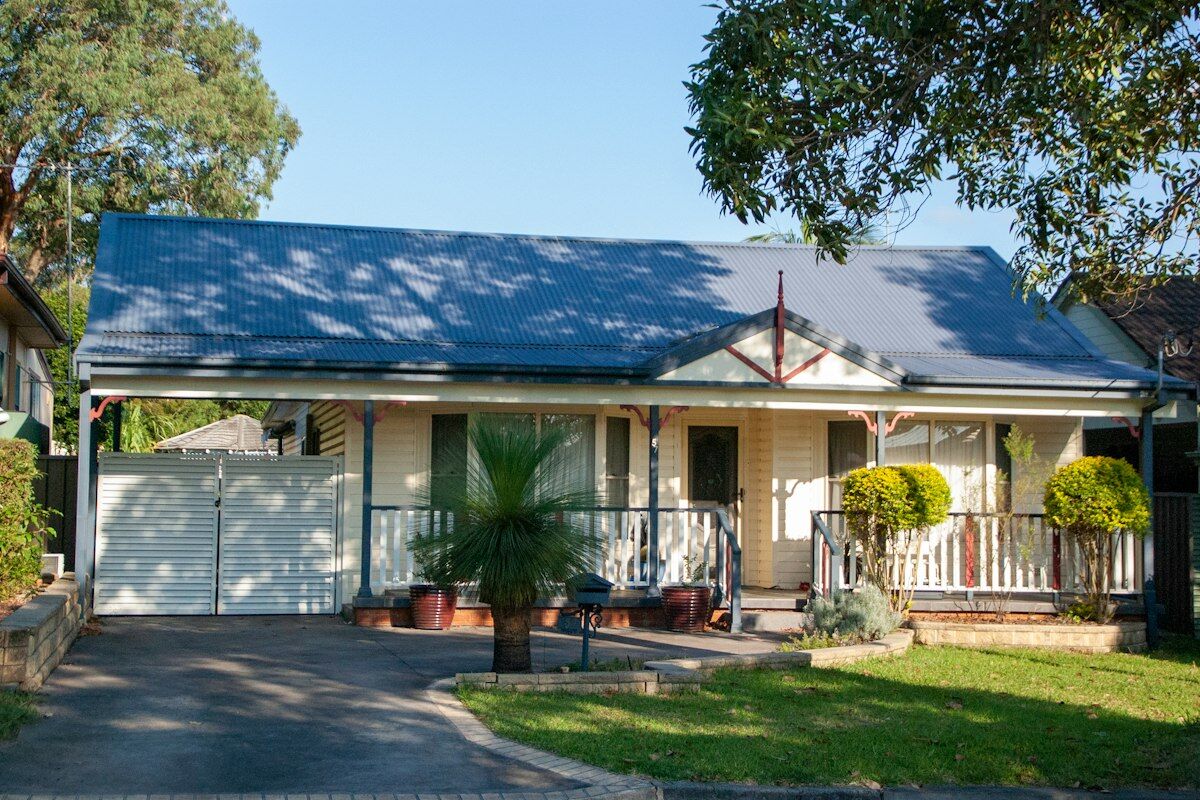
Many Australian homes sit close to bush, grassland or reserves. The garden around the house can either slow a fire or help it along. Good design will not make a home fireproof. It can still lower the risk in a real way.
The Country Fire Authority in Victoria publishes clear guidance on landscaping for bushfire. Its main message may surprise some gardeners. Where you put plants matters more than which plants you choose. This guide walks through the key ideas for planning a safer garden.
Layout comes before plant choice
The CFA states that garden design and layout matter more than the type of plants. A garden of carefully chosen plants can still carry fire if they are packed together. A well spaced garden gives fire fewer paths to follow. That is why planning on paper is the best first step.
The CFA suburban guide sets out four key principles. Each one is simple to understand and can be applied to most yards. The rest of this article looks at them one at a time.
- Create defendable space around the house.
- Remove flammable objects from around the house.
- Break up fuel so fire cannot run continuously.
- Carefully select, locate and maintain trees.
Rules and advice differ between states and territories. Each state has its own fire service and its own building and planning rules. Check with your local fire service and council before you start. They can tell you what applies to your property.
Create defendable space near the house
The area right around the house is the most important part of the garden. The CFA says plants and materials close to the home are the main concern. Keep this zone as clear and open as you can. It gives you a buffer and makes the house easier to defend.
Avoid planting under windows or right against the walls. The CFA warns these plants can give off a lot of radiant heat. Vines and climbers on or near the house can also carry fire up to it. Move them to a spot well away from the building.
Paving and gravel are useful here. The CFA suggests decorative paving and gravel to keep plants away from windows, doors and other weak points. A paved path around the house also makes it easy to walk and check the walls. Our guide to keeping garden pavers in good shape covers looking after that surface.
Swap organic mulch near the house
Mulch is a common weak point. The CFA advises against organic mulch near the house, as it is highly flammable. It can carry fire to the home or start spot fires close by. River pebbles or crushed rock are safer choices in this zone.
Break up the fuel
Fire spreads best through plants that join up. The CFA recommends separate garden beds or plant groups with gaps between them. These gaps act as fuel breaks. They stop fire running in a continuous line to the house.
Lawn is handy for this. The CFA guide notes that lawn areas between garden beds break up plant continuity. A mown and watered lawn creates a low and open gap. It also gives you somewhere to stand and work in summer.
Hard features can do the same job. The CFA suggests a pool, tennis court or maintained lawn can sit between the house and the likely direction of fire. A pool area makes a natural open space when it is planned well. If you are adding one, our notes on glass pool fencing styles and a shade sail over the swimming pool may help with the design.
Rural blocks have more room to work with. The CFA suggests using dams, driveways and paths to slow fire across the property. Keep the area around the house mostly clear of plants or use only low flammability plants. Keep grass and plants well watered.
Place and look after trees with care
Trees need careful thought. The CFA advises keeping trees well away from the house. Its suburban guide suggests clumping trees with at least two metres between canopies. That gap makes it harder for fire to jump from crown to crown.
What grows under trees matters too. The CFA says not to plant shrubs under trees. Low foliage can act as a ladder and carry fire up into the canopy. Low groundcovers and low growing succulents are a safer choice beneath trees.
Some trees carry more risk than others. The CFA advises that pines and cypresses should not be planted within three mature tree lengths of a house. It also suggests avoiding smooth barked trees that shed their bark, such as Manna Gums. Before removing any established tree, check with your council about local rules.
What makes a plant less flammable
Plant choice still counts once the layout is right. The CFA suggests choosing low flammability plants rather than looking for “fire resistant” ones. Some plants that regrow after fire are actually highly flammable. A plant can bounce back well and still burn easily.
The CFA lists traits that make a plant less likely to burn. These include wide, flat, thick or fleshy leaves that hold moisture. An open and sparse shape with low density also helps. Bark that stays tight on the trunk is usually less flammable.
Some traits raise the risk. The CFA lists fine textured plants, dense foliage and small narrow leaves that dry out quickly. Loose, stringy or fibrous bark can break off and carry fire as embers. Plants high in oils, waxes or resins burn more readily, and the CFA names eucalypts, lavender and rosemary as examples.
The CFA offers a quick test for texture. If you can pick out each branch or leaf from three metres away, the plant has a coarse texture. Coarse texture is the better choice. The CFA also suggests plants that stay green over summer, as plants that hold dead leaves, twigs and bark are highly flammable.
Keep up regular maintenance
A good design only works if it is maintained. The CFA advises removing dead leaf litter before and during the bushfire season. Embers can light it, land on doormats and get into the home through roof gaps and windows. Clear leaves, branches and limbs from the roof as well.
Make it a regular habit rather than a single job. Cut back trees, pick up fallen branches and keep plants watered. The CFA notes that regular work stops plant matter building up. A garden built with low maintenance landscaping in mind makes this much easier.
A garden is only one part of being ready. The CFA guide states that on Extreme and Catastrophic days, leaving early is always the safest option. Talk with your household about your plan. Know your local warnings and your fire service advice.
Frequently asked questions
Are there plants that will not burn?
No plant is fireproof. The CFA suggests looking for low flammability plants instead of “fire resistant” ones. Traits like thick fleshy leaves and an open shape help. Layout still matters more than plant choice.
Is organic mulch safe near the house?
The CFA advises against organic mulch close to the home. It is highly flammable and can carry fire or start spot fires. River pebbles or crushed rock are safer near the house. The CFA notes that embers landing on organic mulch can start spot fires.
How far apart should trees be?
The CFA suburban guide suggests at least two metres between tree canopies. Clumping trees and keeping them well away from the house both help. Avoid planting shrubs underneath them. Your local fire service may give different advice for your area.
Do the same rules apply in every state?
No, rules differ between states and territories. This article draws on guidance from the CFA in Victoria. Check with your own state fire service and council. They can explain the rules for your block.
For more detail, read the CFA guide to landscaping for bushfire and its advice on choosing low flammability plants.