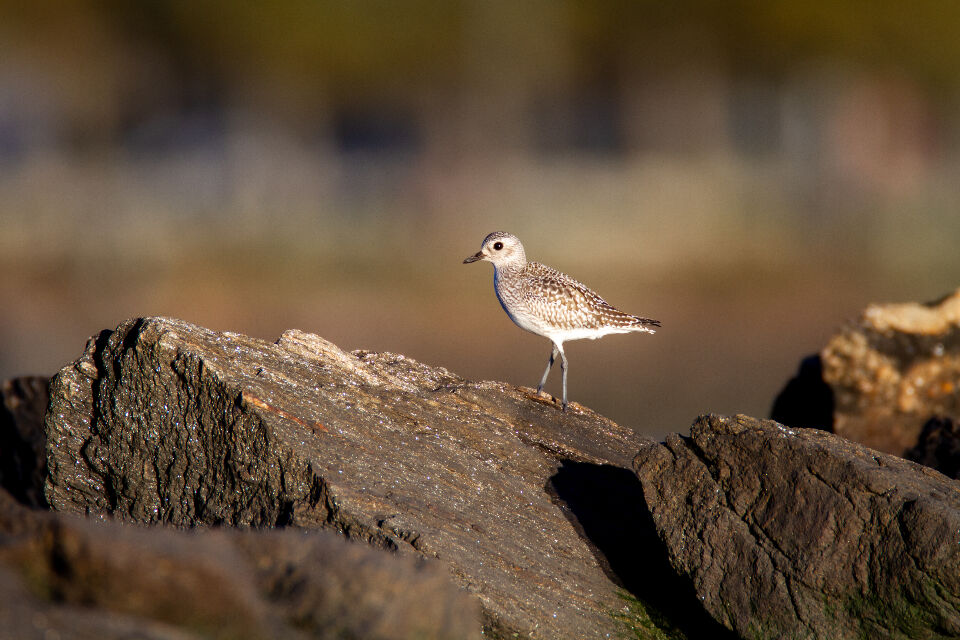
A garden full of birdsong feels alive in a way a quiet yard never does. Native birds bring colour and movement to even a small block. They also eat a lot of insects. The good news is that you do not need a big property to make room for them.
What birds want is fairly simple. They need food, water, shelter and somewhere safe to nest. A few smart planting choices and some thought about layout can give them all four. This guide covers the basics for Australian home gardens.
Start by knowing your local birds
BirdLife Australia suggests a simple first step. Find out which local birds you would like to see in your garden. Learn what they eat and how they like to shelter and nest. Each species has its own needs, so a little research saves wasted planting.
It also helps to look at what you already have. Notice which plants birds visit now and keep them. BirdLife Australia advises adding new plants before you pull out old ones. That way birds do not lose cover while the new garden grows.
Your garden is also part of a bigger picture. Birds in Backyards, a program of BirdLife Australia, points out that one garden cannot meet every need a bird has. Each garden still adds to the network of habitat birds use. Nearby parks, street trees and neighbouring yards all count.
Plant local natives
Local native plants are the backbone of a bird friendly garden. These are the plants that grow naturally in your area. Local birds have lived alongside them for a very long time. A native nursery, your local Landcare group or your council can usually give you a list of plants that suit your suburb.
Aim for food in every season. Choose a mix of plants that flower, fruit or set seed at different times of the year. That way there is always something on offer. Plants that draw insects matter too, as insects are a key source of protein for many birds.
Natives also suit a garden that does not need constant work. If you want a yard that looks after itself, our notes on low maintenance garden design fit well with a native planting plan. Hardy local plants often need less water and less fuss once they settle in. Birds do not mind a garden that is a little wild around the edges.
Build layers into the garden
Structure matters as much as plant choice. BirdLife Australia recommends three layers where space allows. That means tall trees for canopy, shrubs in the middle and ground covers below. Each layer suits different birds and different ways of feeding.
Small birds need dense shrubs. They use thick foliage to hide from predators and to build nests. Plant several shrubs together in a thicket rather than dotting single plants around the lawn. Small flowered plants give these little birds food close to cover.
A layered garden has another benefit. BirdLife Australia notes that a complex garden supports more species. It also puts off the Common Myna, which prefers simple and open spaces. A wide lawn with a few scattered shrubs is exactly the setting mynas like.
Be careful with big showy flowers
Some popular plants can work against small birds. Large flowering hybrid grevilleas can draw aggressive honeyeaters such as Noisy Miners and Red Wattlebirds. These birds defend their patch and chase smaller species away. A mix of smaller flowered natives tends to share the food around.
Small spaces and courtyards
A courtyard or balcony can still help birds. Pots of native shrubs and ground covers give shelter and food on a small scale. Group them together so birds have some cover to move through. Our list of pot plants for an outdoor oasis is a good starting point for container ideas.
Hard surfaces are fine as long as there is planting nearby. A paved area can sit next to a planted border and still work well. If you have pavers, our guide to keeping garden pavers looking good covers the upkeep side. Keep the planting close to the edges so birds are never far from shelter.
The same thinking applies to synthetic lawn. A strip of fake turf does not feed birds, but a deep native border beside it can. If you are weighing it up, read about the common mistakes with artificial grass first. Leave room for real plants around it.
Give birds clean water
Water is one of the easiest things to add. BirdLife Australia says birds need safe, clean and cool water all year. It matters most in hot weather. A bird bath does not need to be fancy or expensive.
Plastic tubs, buckets, hanging pots and ceramic dishes all work. BirdLife Australia advises against metal, as it can get too hot. Offer a few different depths and shapes, since species prefer different depths. Several water sources at different heights also stop one bossy bird from taking over.
Where you put the water matters too. Place it near trees and shrubs so birds can watch for danger and escape quickly. Keep it out of direct sun. Add a rock, brick or branch so any animal that falls in can climb back out.
Keep the water fresh. BirdLife Australia recommends changing it every day to limit the spread of disease. Give the bath a regular scrub as well. It only takes a minute and keeps visitors healthy.
Why feeding is best avoided
It is tempting to put out seed or bread. BirdLife Australia warns that feeding wild birds can lead to serious problems. These include poor nutrition, disease and unbalanced bird numbers. Natural food, shelter and nesting habitat are the better gift.
A well planted garden feeds birds the way nature intended. Nectar, seeds, fruit and insects come from the plants you choose. Each plant you add gives birds one more place to look for food. That is healthier for them and for your garden.
Keeping pets from hunting
Pet cats are a real threat to garden birds. Birds in Backyards says keeping a cat away from prey is the only way to fully stop it hunting. That means keeping it indoors or in an enclosure. Netting on fences stops a cat escaping but does not stop it hunting inside the yard.
Some common fixes do not work as well as people think. A bell on a collar does not stop hunting, as cats learn to move quietly. Feeding a cat well does not stop it hunting either. If you use a night curfew, Birds in Backyards notes it should also cover the early morning and evening.
Dogs can be a problem too. They can catch birds or chase them out of the yard. Pet urine can also damage new plants. Fenced garden beds or chicken wire can keep pets away from bird habitat while it grows.
Here is a short checklist to bring it together. It sums up the main points above. Keep it handy while you plan your planting.
- Plant local natives that flower or fruit in different seasons.
- Build canopy, shrub and ground cover layers.
- Group dense shrubs into thickets for small birds.
- Offer shaded water at a few depths and change it daily.
- Skip the bird seed and keep cats contained.
Frequently asked questions
How long before birds start visiting?
Water often draws birds quite quickly. Plants take longer, as shrubs need time to fill out. Many birds will visit a bird bath well before the garden is mature. Patience pays off as the layers grow in.
Should I put out bird seed in winter?
BirdLife Australia advises against relying on feeding wild birds. It can cause poor nutrition, disease and unbalanced bird numbers. Plants that flower or seed in winter are a better option. They give birds food without the risks.
Can a small garden really help?
Yes, every garden adds to the habitat birds use. Birds in Backyards makes the point that each garden forms part of a wider web. A few dense shrubs and a water dish can make a difference. Small birds in particular benefit from thick cover close to the house.
What kind of bird bath is best?
A simple dish of plastic or ceramic works well. Avoid metal, which can overheat in the sun. Place it in shade near shrubs and add a rock or branch as an exit. Change the water daily and scrub the bath often.
Want to read more? BirdLife Australia shares its tips on bringing birds to your backyard, and its Birds in Backyards program has advice on pets and garden birds.